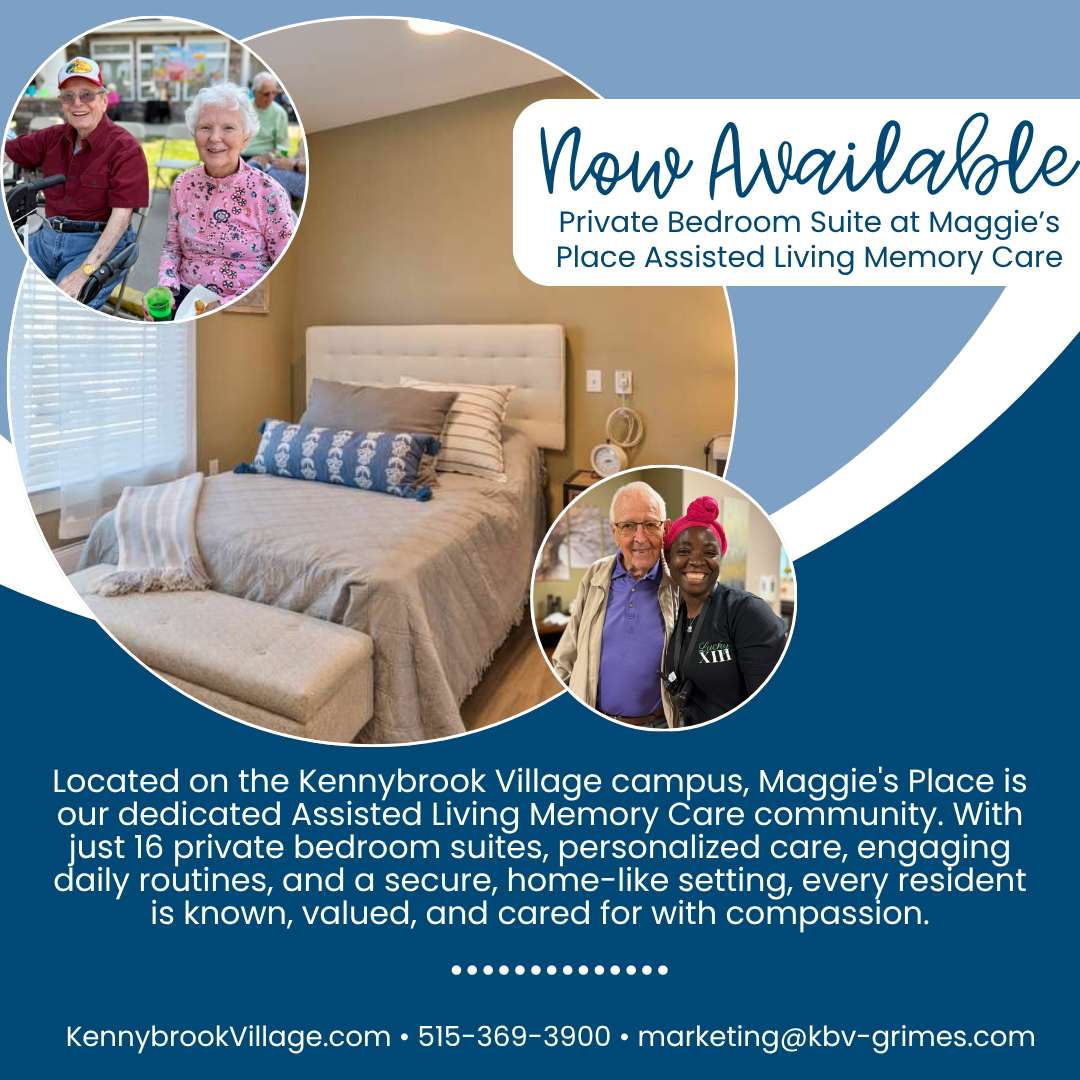
Question #4: What types of care services are offered?
Understanding the types of care services available in a senior living community is crucial for families seeking the right fit for their loved ones. Different communities may offer varying levels of care, such as independent living, assisted living, memory care, and skilled nursing care. Knowing what services are available helps families make informed decisions based on the specific needs of their loved ones.
For instance, some communities may provide specialized memory care programs for residents with Alzheimer's or other forms of dementia, while others focus primarily on independent living with minimal assistance. It's essential to inquire about the qualifications of the staff and the types of training they receive to ensure that your loved one will be well cared for in their new environment.
Question #5: What is the staff-to-resident ratio?
The staff-to-resident ratio is an important metric that can significantly impact the quality of care in a senior living community. A lower ratio typically indicates that residents receive more personalized attention and care, which can enhance their overall experience. When touring a community, ask about the staffing levels during different times of the day, as this can vary significantly.
For example, some communities may have a higher number of staff members available during peak hours, such as mealtimes or medication administration, while fewer staff may be present during off-peak hours. Understanding this ratio helps families gauge whether their loved ones will receive the necessary support and attention throughout the day.
Question #6: What activities and social programs are available?
Engagement in social activities and programs is vital for the well-being of seniors. When considering a senior living community, inquire about the types of activities offered, such as exercise classes, arts and crafts, and social outings. A vibrant activities calendar can greatly enhance a resident's quality of life by providing opportunities for socialization and mental stimulation.
Additionally, ask about the frequency of these activities and whether residents have a say in what programs are offered. For instance, some communities may offer resident-led clubs or committees that allow seniors to organize events that interest them, fostering a sense of community and belonging.
Question #7: How does the community handle medical emergencies?
Inquiring about how a senior living community manages medical emergencies is essential for ensuring the safety of your loved one. It's important to understand the protocols in place for handling emergencies, including the availability of trained staff and access to medical facilities. Ask about the community's relationship with local hospitals and emergency services to assess their preparedness.
For example, some communities may have on-site medical personnel or partnerships with nearby healthcare providers, allowing for prompt response in case of an emergency. Additionally, understanding the community's policies regarding medication management and health monitoring can provide further reassurance about the safety and well-being of residents.
Question #4: What types of care services are offered?
Understanding the types of care services available in a senior living community is crucial for families seeking the right fit for their loved ones. Different communities may offer varying levels of care, such as independent living, assisted living, memory care, and skilled nursing care. Knowing what services are available helps families make informed decisions based on the specific needs of their loved ones.
For instance, some communities may provide specialized memory care programs for residents with Alzheimer's or other forms of dementia, while others focus primarily on independent living with minimal assistance. It's essential to inquire about the qualifications of the staff and the types of training they receive to ensure that your loved one will be well cared for in their new environment.
Question #5: What is the staff-to-resident ratio?
The staff-to-resident ratio is an important metric that can significantly impact the quality of care in a senior living community. A lower ratio typically indicates that residents receive more personalized attention and care, which can enhance their overall experience. When touring a community, ask about the staffing levels during different times of the day, as this can vary significantly.
For example, some communities may have a higher number of staff members available during peak hours, such as mealtimes or medication administration, while fewer staff may be present during off-peak hours. Understanding this ratio helps families gauge whether their loved ones will receive the necessary support and attention throughout the day.
Question #6: What activities and social programs are available?
Engagement in social activities and programs is vital for the well-being of seniors. When considering a senior living community, inquire about the types of activities offered, such as exercise classes, arts and crafts, and social outings. A vibrant activities calendar can greatly enhance a resident's quality of life by providing opportunities for socialization and mental stimulation.
Additionally, ask about the frequency of these activities and whether residents have a say in what programs are offered. For instance, some communities may offer resident-led clubs or committees that allow seniors to organize events that interest them, fostering a sense of community and belonging.
Question #7: How does the community handle medical emergencies?
Inquiring about how a senior living community manages medical emergencies is essential for ensuring the safety of your loved one. It's important to understand the protocols in place for handling emergencies, including the availability of trained staff and access to medical facilities. Ask about the community's relationship with local hospitals and emergency services to assess their preparedness.
For example, some communities may have on-site medical personnel or partnerships with nearby healthcare providers, allowing for prompt response in case of an emergency. Additionally, understanding the community's policies regarding medication management and health monitoring can provide further reassurance about the safety and well-being of residents.